

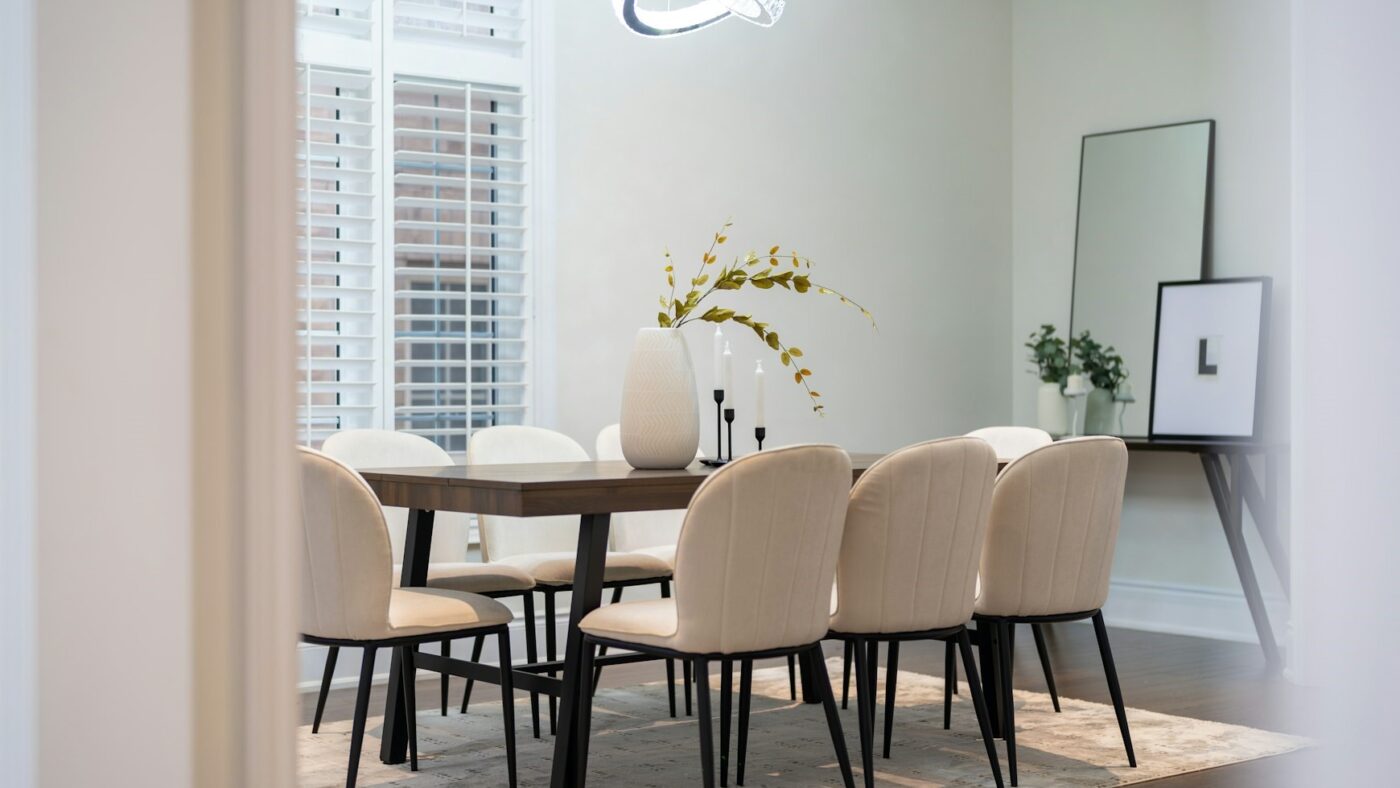
The dining table often gets the spotlight, but chairs are where people actually spend their time. Meals linger. Conversations stretch out. Kids do their homework. Friends gather for a coffee that turns into a long catch-up. If the chairs are uncomfortable, too bulky, or poorly made, you feel it quickly. You might notice sore backs, cramped knees, scratches on the floor, or a dining area that looks messy even when it is clean.
On the other hand, the right dining chairs can make your home feel instantly more welcoming. They support good posture, fit the room properly, and help your dining area look pulled together without trying too hard.
Below is a practical guide to help you choose dining chairs that suit Australian homes, daily routines, and real life.
The Importance of Dining Chairs
Dining chairs do more than “match” the table. They influence how your dining space feels and how well it functions. When you choose a good set, you choose comfort, durability, and everyday ease.
1) Comfort that helps people stay longer
When chairs feel supportive, people naturally relax. That means longer meals, better conversations, and a dining space that actually gets used. Comfort is not just about softness. It is about:
- A backrest that supports the middle and lower back
- A seat shape that feels stable, not slippery or too narrow
- The right height so your shoulders stay relaxed at the table
- Materials that do not feel too hot or sticky, especially in warmer months
2) A dining space that looks clean and intentional
Chairs can either make a dining area feel calm or cluttered. When chairs are too large, mismatched in scale, or visually heavy, the space can feel crowded. Well-chosen chairs help create:
- A cohesive style that complements your table and room
- A balanced layout, especially in open-plan areas
- A polished look that still feels lived-in
3) Confidence your furniture can handle daily use
Dining chairs are high-traffic furniture. They get moved constantly, bumped into, leaned on, and used by people of all ages. Quality matters because it affects:
- How stable and safe the chair feels
- How well joints and frames hold up over time
- How easy it is to clean and maintain
- Whether the chair stays comfortable after months and years of use
Whether you are furnishing a family home, an apartment, or an open-plan living area, dining chairs play a key role in how the whole space works.
Finding the Right Dining Chairs for Your Home
Every household uses their dining area differently, so the best chairs for you depend on your lifestyle. Start with how you actually live, not how a showroom setup looks.
Comfort for Everyday Living
Comfort should always come first. A chair can look beautiful but still feel wrong after ten minutes. If you can, sit in the chair the way you normally would at home. Consider how it supports you when you lean back, how your legs rest, and whether the seat feels stable.
What to look for in a comfortable dining chair
Supportive backrest
A backrest should feel supportive without forcing you into one position. Some people like high backs for extra support, while others prefer a lower profile for a lighter look. Both can work, as long as the chair feels steady.
Seat shape and cushioning
A well-shaped seat helps with comfort during longer meals. Upholstered dining chairs add softness and warmth. Timber or moulded designs often offer firmer support and are easier to maintain.
Practical comfort for multi-use dining areas
If your dining table doubles as a workspace, homework station, or craft zone, comfortable seating becomes even more important. In that case, consider:
- Chairs with slightly more supportive backs
- Seats that do not feel hard after longer sitting
- Upholstery that is durable and easy to spot clean
Size, Shape, and Proportion
A common mistake is buying chairs based only on style, then realizing they do not fit the room or table properly. The goal is to make sure chairs sit comfortably around the table and allow people to move easily.
Key fit considerations
Room to sit and move
Make sure there is enough clearance to pull chairs out and sit down without bumping walls, cabinetry, or other furniture. This matters a lot in apartments and smaller dining zones.
Chair width and spacing
If chairs are too wide, you will fit fewer people around the table, and the space can feel cramped. If they are too narrow, they may feel uncomfortable and less stable.
Armless vs armchairs
- Armless chairs are ideal for smaller dining rooms because they tuck in neatly and take up less visual space.
- Armchairs at the ends of the table can add balance and a more styled look in larger spaces. They can also feel more supportive, but they need more room.
Back height and visual weight
High-backed chairs can feel formal and structured. Low-backed chairs can feel modern and open, especially in open-plan homes where you want sight lines to stay clear.
Materials That Suit Australian Homes
Australian households often prefer furniture that is durable, practical, and easy to care for. The right materials can make everyday life easier and reduce the need for replacement.
Popular dining chair materials and why they work
Timber (solid or engineered)
Timber chairs bring warmth and a timeless feel. They suit coastal, farmhouse, and Scandi-inspired interiors. Timber also tends to age well if it is built properly and maintained.
Upholstered fabric
Fabric upholstery adds comfort and makes the dining space feel softer and more inviting. It also offers flexibility with colour and texture. For busy households, look for tighter weaves or performance-style fabrics that resist wearing.
Faux leather
Faux leather is popular in family homes because it is generally easier to wipe clean. It can suit modern and classic spaces depending on the colour and shape of the chair.
Metal frames
Metal can work well for modern or industrial interiors. It often feels lighter visually and can be a good choice for smaller spaces if the design is slim.
Climate and lifestyle matter
In many parts of Australia, homes deal with heat, humidity, coastal air, kids, pets, and frequent entertaining. Materials that clean easily and handle daily use tend to perform better in the long term.
Style: Matching, Mixing, and Keeping It Cohesive
A cohesive dining area does not always mean “everything must match.” It means the pieces look like they belong together.
Option 1: Matching set for a classic look
A matching set is simple and timeless. It works well if you want a clean, consistent style, and you prefer a low-effort approach to styling.
Option 2: Mixed chairs for a modern, designer feel
Mixing can look great when it is done with a plan. A few easy ways to mix chairs without chaos:
- Same chair shape, different colours
- Same colour, different chair styles
- Upholstered chairs on the sides, statement chairs at the ends
- Timber chairs paired with one upholstered bench
Keep one element consistent
If you mix, keep at least one element consistent, such as colour tone, material, leg style, or overall shape. This helps the dining space feel intentional.
Durability and Build Quality: What to Check
Chairs can look similar online, but build quality is what separates “lasts a season” from “lasts years.”
Simple quality checks to consider
- Does the chair feel stable and balanced?
- Do the legs sit firmly on the ground without wobbling?
- Does the frame feel solid when you lean back?
- Are joints and connection points sturdy?
- Is upholstery neat and well-finished?
If the chair is used daily, small quality differences matter a lot over time.
Cleaning and Maintenance Tips (Real Life Friendly)
Dining chairs are exposed to spills, crumbs, and everyday mess. Choosing a chair that suits your cleaning habits will save you time and stress.
Easy maintenance ideas
- Use a soft brush or vacuum attachment for crumbs and dust
- Spot clean small spills quickly to avoid stains setting
- Consider a fabric protector if you have light upholstery
- Add felt pads under chair legs to protect flooring
- Tighten screws occasionally if chairs start to loosen from use
If you have kids, pets, or frequent guests, it is worth prioritizing materials that do not demand delicate care.
Common Mistakes to Avoid
Here are the most common chair problems people run into after buying:
- Choosing style over comfort and regretting it after one long meal
- Buying chairs too big for the room, making the area feel cramped
- Ignoring table height and clearance, leading to awkward posture
- Choosing high-maintenance materials that do not suit your household
- Not thinking about daily routines, like kids, cleaning, and work-from-home use
Avoiding these mistakes usually comes down to one thing: choosing for real life first, aesthetics second.
Create a Cohesive Dining Area with the Right Chairs
Quality dining chairs are a long-term investment in your home. They influence how your home feels, how people gather, and how comfortable everyday life becomes. When you choose dining chairs that balance comfort, durability, and design, you create a dining space that feels welcoming, practical, and effortlessly stylish.