

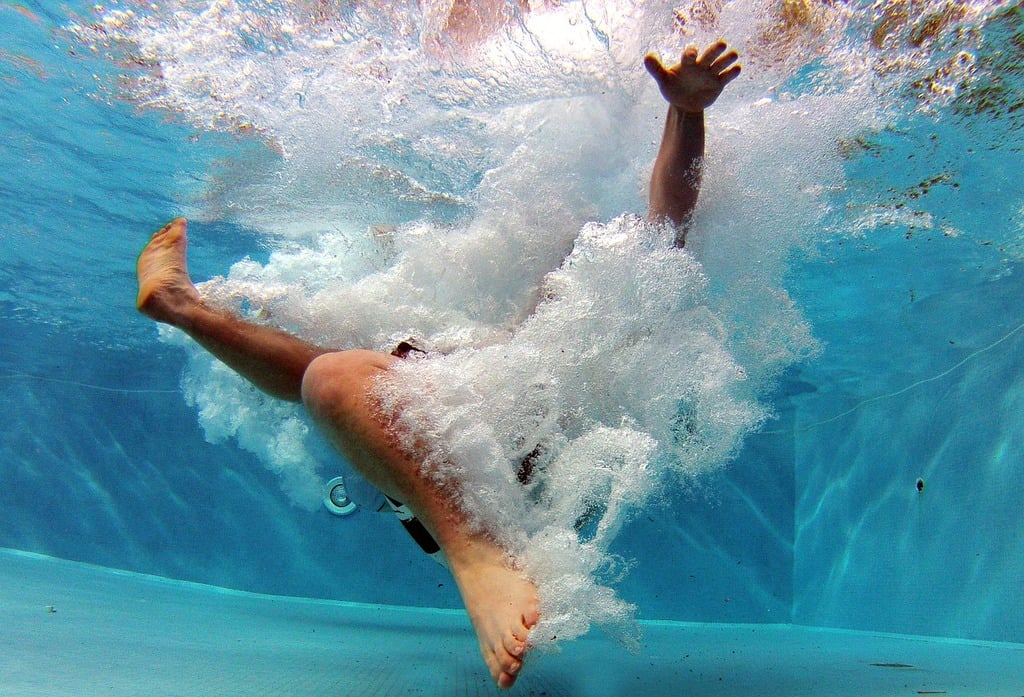
A pool owner is usually responsible for a drowning when the death or injury was caused by their negligence: a missing or broken fence or gate, no lifeguard or supervision where one was required, unsafe drains or equipment, alcohol served to swimmers, or hazards they knew about and failed to fix or warn against. Owners are not automatically liable for every drowning, so the outcome depends on who owned or controlled the pool, the victim’s status (guest, customer, trespasser or child), and what safety duties applied.
This guide explains how drowning liability works in the United States, the situations that most often lead to a successful claim, what evidence matters, and what families should do in the hours and weeks after an incident. It is general information, not legal advice; rules differ from state to state, so speak with a licensed attorney about your specific case.
Why Drowning Cases Are Different From Other Injury Claims
Drowning is fast and often silent. A person in trouble rarely splashes or shouts for help; they usually cannot keep their mouth above water long enough to call out. That is why supervision and physical barriers carry so much weight in liability cases: there is very little time to react once a swimmer starts struggling.
Time underwater also drives the severity of injuries. Loss of consciousness can come within a couple of minutes, and the longer the brain goes without oxygen, the greater the risk of permanent brain injury. Survivors of non-fatal drowning may face long hospital stays, rehabilitation and lifelong care, which is why the financial stakes in these claims are often high.
Warning Signs That Someone Is Drowning
Knowing these signs helps lifeguards, parents and pool owners act in time, and it often comes up when courts ask whether a reasonable supervisor should have noticed a problem:
- Head low in the water with the mouth at water level
- Head tilted back with the mouth open
- Hair over the forehead or eyes
- Eyes glassy, empty or closed
- Hyperventilating or gasping
- Upright in the water and not using the legs, or trying to roll onto the back
- Appearing to climb an invisible ladder
When Is a Pool Owner Liable for Drowning?
Most drowning claims are brought under premises liability, a branch of negligence law. To win, the injured person or the family generally needs to show four things:
- Duty: the owner or operator owed the victim a duty of care.
- Breach: the owner failed to meet that duty, for example by leaving a gate unlatched or skipping required supervision.
- Causation: that failure caused or contributed to the drowning.
- Damages: the victim or family suffered real losses such as medical bills, lost income or the loss of a loved one.
Common Forms of Pool Owner Negligence
| Safety failure | Why it matters in a claim |
|---|---|
| No fence, or a fence that is too low or has gaps | Barriers are the main defense against unsupervised children reaching the water |
| Gates that do not self-close or self-latch | A propped or broken gate can defeat an otherwise compliant fence |
| No lifeguard where one was required or promised | Public and commercial pools may have staffing duties under state or local rules |
| Lifeguards who were distracted, untrained or too few | Inadequate supervision can be as harmful as none at all |
| Missing depth markers or “no diving” signs | Swimmers cannot judge risks they are not warned about |
| Unsafe or non-compliant drain covers | Suction entrapment can hold a swimmer underwater |
| Cloudy water, poor lighting or broken equipment | Staff and bystanders cannot see a swimmer who is in trouble |
| Serving alcohol to swimmers | Alcohol impairs judgment, coordination and breath-holding |
| No rescue equipment or emergency plan | Delays in rescue and CPR directly affect survival |
On drains specifically, the federal Virginia Graeme Baker Pool and Spa Safety Act requires anti-entrapment drain covers on public pools and spas. A violation of a safety statute or code can be strong evidence that the owner fell below the required standard of care.
Private, Public and Commercial Pools: Who Can Be Held Responsible?
“Pool owner” covers a wide range of defendants. Depending on the facts, more than one party may share responsibility:
- Homeowners with backyard pools, and sometimes the person hosting a party even if they rent the home
- Landlords and property managers who control a shared or rental-property pool
- Homeowners associations and apartment complexes that run community pools
- Hotels, gyms, water parks and clubs operating commercial pools
- Cities, counties and school districts operating public pools (special notice deadlines and immunity rules often apply)
- Pool builders, maintenance companies and manufacturers where a design defect, faulty drain or poor repair contributed
Pool design affects safety as much as staffing. Fencing, depth transitions, lighting and drain layout are all decided at the build stage, a point worth keeping in mind when reading about how pool builders design for active lifestyles.
The Victim’s Status Matters
Many states give the strongest protection to invited guests and paying customers, who are owed reasonable care, including inspection for hidden dangers. Trespassers are usually owed much less. Children are the major exception: under the attractive nuisance doctrine recognized in many states, an owner can be liable when a child trespasser is drawn to a pool the owner should have known children could reach and that could have been secured at reasonable cost.
Defenses Pool Owners Commonly Raise
Expect the owner or their insurer to push back. Typical defenses include:
- Comparative negligence: arguing the victim was intoxicated, ignored rules or swam in a closed area, which can reduce or, in some states, bar recovery
- Lack of supervision by parents: claiming responsibility for a child lay with the parent or guardian
- Trespass: arguing the victim had no right to be in the pool area
- Assumption of risk or signed waivers: common at gyms and clubs, though waivers often do not cover gross negligence
- Medical cause: arguing a heart attack or seizure, not unsafe conditions, caused the death
How these defenses play out depends heavily on state law and the evidence, which is one reason early legal advice is valuable.
What to Do After a Drowning or Near-Drowning
- Get emergency care. Anyone pulled from the water should be medically evaluated, even if they seem fine afterwards.
- Report the incident to the pool operator, property manager or police, and ask for a copy of any report.
- Photograph the scene: fences, gates, latches, signs, drains, water clarity, lifeguard stands and rescue equipment.
- Collect names of witnesses, lifeguards and staff on duty.
- Keep records of medical bills, lost wages, funeral costs and other expenses.
- Do not give recorded statements to an insurer before you have legal advice.
- Act quickly. Surveillance footage can be overwritten and deadlines to sue (statutes of limitations) are strict, often shorter for claims against government-run pools.
Compensation and Wrongful Death Claims
A survivor of a near-drowning may claim medical expenses, future care costs, lost earnings, and pain and suffering. When a drowning is fatal, eligible family members can usually file a wrongful death lawsuit against the responsible parties. Who may bring the claim, and which losses are recoverable, is set by each state’s wrongful death statute.
These cases are emotionally exhausting and technically complex, often involving pool codes, insurance policies and expert testimony. In Georgia, for example, families often work with an Atlanta accidental drowning attorney who can investigate the scene, deal with insurers and value the claim properly. Whichever state you are in, look for a lawyer with specific experience in drowning and premises liability cases.
How Pool Owners Can Reduce Their Liability
If you own or manage a pool, the same factors that create liability are the ones you can control:
- Install a fence around all sides of the pool with a self-closing, self-latching gate, and check it regularly
- Use compliant anti-entrapment drain covers and keep maintenance records
- Post depth markers, pool rules and “no diving” signs where shallow water makes diving unsafe
- Keep a reaching pole, ring buoy and phone near the pool
- Assign a dedicated “water watcher” at private gatherings and never mix alcohol with swimming supervision
- Learn CPR and keep certifications current
- Review your homeowners or commercial insurance so coverage matches the risk
The CDC’s drowning prevention guidance is a useful reference for families and owners alike. For broader reading on running a property-based or product business, browse our Business category, including this piece on wholesale tumbler cups as a business move.
Bottom Line on Pool Owner Liability for Drowning
A pool owner is not responsible for every drowning, but they are responsible for reasonable safety: secure barriers, safe equipment, proper supervision where required, and clear warnings. When those are missing and someone drowns as a result, the injured person or the family may have a strong premises liability or wrongful death claim. Preserve evidence early, get medical records, and speak to an experienced attorney before deadlines pass.
Frequently Asked Questions
Can a homeowner be sued if someone drowns in their pool?
Yes. A homeowner can be sued if negligence such as a broken gate, missing fence, unsafe drain or lack of supervision contributed to the drowning. Homeowners insurance often responds to these claims, but coverage limits and exclusions vary.
Is a pool owner liable if a trespassing child drowns?
Possibly. Under the attractive nuisance doctrine recognized in many states, an owner may be liable if they should have expected children to reach the pool and could reasonably have secured it. Fencing and locked gates are central to these cases.
Who is responsible for a drowning at an apartment or HOA pool?
Responsibility usually falls on whoever owns or controls the pool, such as the landlord, property management company or homeowners association. Maintenance contractors and equipment makers can also share liability if their work or products contributed.
How long do I have to file a drowning lawsuit?
Each state sets its own statute of limitations for personal injury and wrongful death claims, and claims against government-run pools often require a formal notice within a much shorter period. Speak to a lawyer promptly so you do not miss a deadline.
What compensation is available after a near-drowning?
Survivors may recover medical and rehabilitation costs, future care expenses, lost income, and pain and suffering. The value depends on the severity of injuries, the strength of the evidence and the state’s laws on damages and shared fault.