
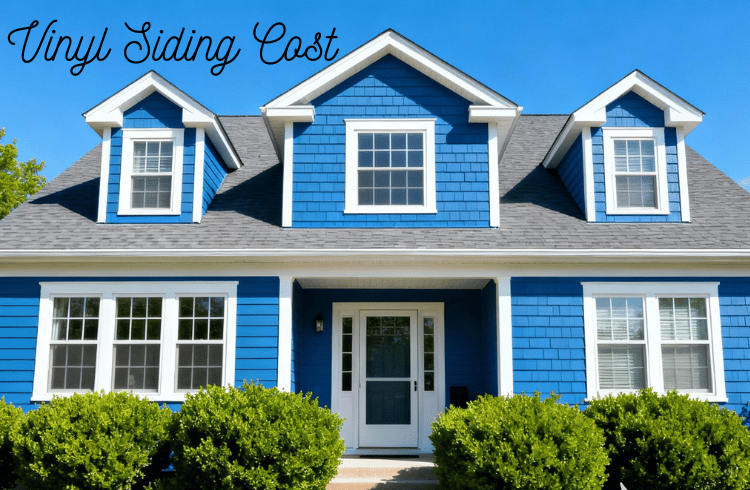
Vinyl siding is a widely used exterior cladding material made primarily from polyvinyl chloride (PVC), designed to protect homes from weather elements while enhancing overall appearance. It is manufactured in durable panels that interlock to form a protective outer layer, shielding the structure from moisture, wind, insects, and UV exposure.
Vinyl siding is available in a wide range of colors, textures, and styles, including options that mimic wood grain, stone, or traditional clapboard designs, allowing homeowners to achieve various aesthetic looks without high maintenance.
One of the key reasons homeowners consider vinyl siding is its affordability and long-term value, as Vinyl Siding Cost is generally lower than many alternative materials while offering durability, energy efficiency options, and minimal upkeep. This balance of protection, style, and cost-effectiveness has made vinyl siding one of the most popular exterior solutions for residential properties.
| Aspect | Details |
| Material | Made from durable PVC (polyvinyl chloride) |
| Purpose | Protects homes from weather and moisture |
| Styles | Available in many colors and textures |
| Maintenance | Low upkeep, no painting required |
| Cost Benefit | Vinyl Siding Cost is affordable and budget-friendly |
Vinyl Siding Cost
- Vinyl siding cost varies based on material quality, home size, labor rates, and design complexity, making it a flexible and budget-friendly exterior option.
- On average, vinyl siding costs $4 to $12 per square foot, including both materials and professional installation.
- For a typical 2,000-square-foot home, total costs generally range between $8,000 and $24,000.
- Lower-end vinyl siding options feature thinner panels with basic finishes and limited insulation.
- Higher-end vinyl siding includes thicker, insulated panels, improved durability, and advanced fade-resistant colors.
- Labor typically accounts for 30% to 50% of the total project cost.
- Installation costs increase for multi-story homes, complex layouts, steep rooflines, or extensive trim work.
- Additional expenses may include the removal of old siding, added insulation, house wrap, or decorative trim.
- Despite cost variations, vinyl siding remains cost-effective due to its long lifespan, low maintenance needs, and resistance to moisture, insects, and rot.
- These benefits make vinyl siding a smart long-term investment for many homeowners.
Average Vinyl Siding Cost

The average vinyl siding cost typically ranges between $4 to $12 per square foot, including materials and professional installation. For a standard 2,000-square-foot home, homeowners can expect total costs between $8,000 and $24,000, depending on the quality of materials and labor rates in their area.
Cost Breakdown
- Low-end vinyl siding: $4–$6 per sq. ft.
- Mid-range vinyl siding: $6–$9 per sq. ft.
- Premium vinyl siding: $9–$12+ per sq. ft.
Vinyl Siding Cost by Material Grade
Standard Vinyl Siding
This is the most affordable option and is ideal for budget-conscious homeowners.
- Cost: $2–$4 per sq. ft. (materials only)
- Thin panels, limited insulation
- Basic color options
Insulated Vinyl Siding
Includes a foam backing for added energy efficiency and durability.
- Cost: $4–$7 per sq. ft. (materials only)
- Improves thermal performance
- Reduces outside noise
Premium or Designer Vinyl Siding
High-end vinyl designed to replicate wood or architectural styles.
- Cost: $7–$10+ per sq. ft. (materials only)
- Thicker panels with enhanced durability
- Longer warranties and fade resistance
Installation Labor Costs
Labor typically makes up 30% to 50% of the total vinyl siding cost, making it a significant part of the overall budget. On average, homeowners can expect to pay between $1.50 and $4 per square foot for professional installation.
However, labor costs can rise when a project involves complex architectural designs, multiple stories, or detailed trim work that requires additional time and expertise. Homes with unusual shapes, steep rooflines, or extensive exterior details demand greater precision and skill, which ultimately leads to higher installation expenses.
Factors That Affect Vinyl Siding Cost
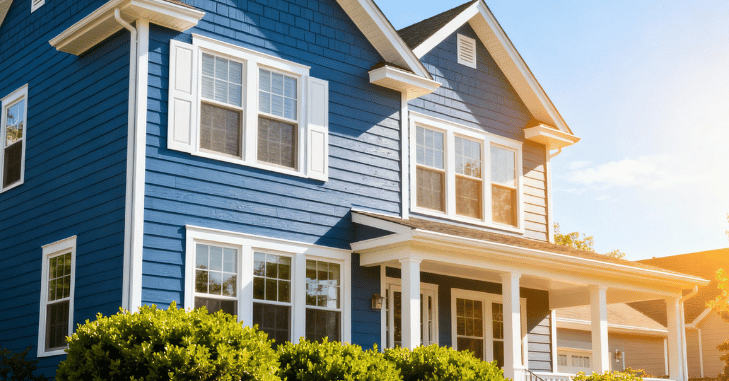
| Factor | Impact on Cost |
| Home Size & Layout | Larger homes require more materials and labor; multiple corners, windows, and architectural details increase installation time and cost. |
| Siding Style | Horizontal lap siding is the most affordable; vertical siding costs slightly more; and shake or scalloped styles are premium-priced. |
| Thickness & Durability | Thicker vinyl panels cost more but provide better impact resistance and a longer lifespan. |
| Color & Finish | Darker colors and specialty finishes increase cost due to enhanced UV protection and fade resistance. |
| Removal of Old Siding | Removing existing siding typically adds $1–$2 per square foot to the total project cost. |
Additional Costs to Consider
- Trim and accessories: $500–$2,000
- House wrap or insulation board: $0.50–$2 per sq. ft.
- Permits and inspections: $100–$300 (varies by location)
- Repairs to the underlying structure: Costs vary based on damage
Vinyl Siding vs Other Siding Options (Cost Comparison)
| Siding Type | Average Cost per Sq. Ft. |
| Vinyl Siding | $4–$12 |
| Fiber Cement | $6–$14 |
| Wood Siding | $8–$16 |
| Aluminum Siding | $6–$12 |
| Brick or Stone | $15–$40+ |
Long-Term Value and Maintenance Costs
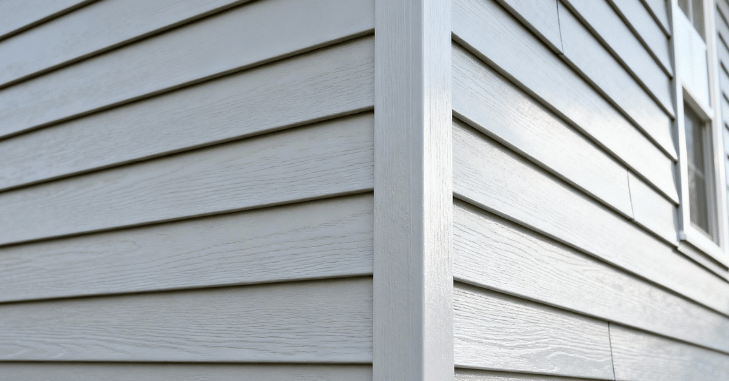
One of the biggest advantages of vinyl siding is its low maintenance cost, making it an attractive option for many homeowners. Unlike wood siding, vinyl does not require painting and retains its color for years. Routine upkeep is simple and usually limited to occasional cleaning with soap and water.
In addition, vinyl siding is resistant to insects, moisture damage, and rot, reducing the risk of costly repairs. Over time, these benefits can save homeowners thousands of dollars compared to wood siding, which often demands frequent painting, sealing, and maintenance.
Is Vinyl Siding Worth the Cost?
For many homeowners, vinyl siding offers excellent value. It provides a clean, modern look at a lower price than many alternative materials while offering durability, weather resistance, and minimal upkeep.
Best for:
- Budget-friendly exterior upgrades
- Low-maintenance homeowners
- Moderate climate regions
- Rental properties and resale value improvements
How to Save Money on Vinyl Siding?
- Get multiple contractor quotes
- Choose mid-range materials for the best value
- Install during off-season months
- Combine siding installation with insulation upgrades
- Avoid unnecessary custom trim options
Conclusion
In conclusion, vinyl siding is a versatile and cost-effective exterior solution that combines durability, low maintenance, and aesthetic appeal. It protects homes from weather, moisture, insects, and UV damage while offering a wide range of styles and colors to suit different architectural preferences.
With Vinyl Siding Cost typically ranging from $4 to $12 per square foot, including professional installation, it provides an affordable alternative to wood, fiber cement, or brick siding without compromising on long-term value. Its resistance to rot, fading, and pests, along with minimal upkeep requirements, makes vinyl siding a smart investment for homeowners seeking a balance of style, protection, and budget-friendly exterior enhancement.
Want to know about Glasgow’s Best Windows: Wolfline’s Internorm Collection Check out our Home Improvement category.
FAQs
Siding for a 1000 square foot home will set you back between $4000 and $14000. Materials will cost between $3000 and $5000, and removal, installation, and other labor expenses will cost between $3000 and $7000.
Paint is the least expensive alternative if you are concerned about going over budget when replacing vinyl siding. But remember that buying cheap now implies paying later.
According to the response, you would need about 20 squares of vinyl for a house that is 2,000 square feet. Buying a little more siding than what your calculations indicate is a smart idea.
Brick keeps its integrity over time, reducing the need for expensive repairs or replacements year after year, in contrast to vinyl, which is prone to fading, cracking, and warping.
Mold thrives on your home’s vinyl siding, particularly on the underside of the siding. have obvious mold on the exterior, but when it penetrates beneath the siding, that’s when the major problems arise.