
To plan a visit to Nashville, give yourself at least three days, stay in or near downtown, and build your trip around live music: a night at the Grand Ole Opry, a tour of the Ryman Auditorium, the Country Music Hall of Fame and an evening on Lower Broadway. Spring (April to early June) and fall (September to November) bring the most comfortable weather, while June’s CMA Fest draws huge crowds. Below you will find the key attractions, a sample three-day itinerary, neighborhood tips, getting-around advice and answers to common questions.
Why Nashville is worth the trip
Nashville, the capital of Tennessee, is known worldwide as Music City. It is the home of the Grand Ole Opry, the center of the country music industry and a city where you can hear skilled live musicians in dozens of venues every night of the week, often with no cover charge. Beyond music, it has a strong food scene, historic homes, green spaces and a compact downtown that is easy to explore on foot.
Top attractions to include in your Nashville plan
Lower Broadway and the honky-tonks
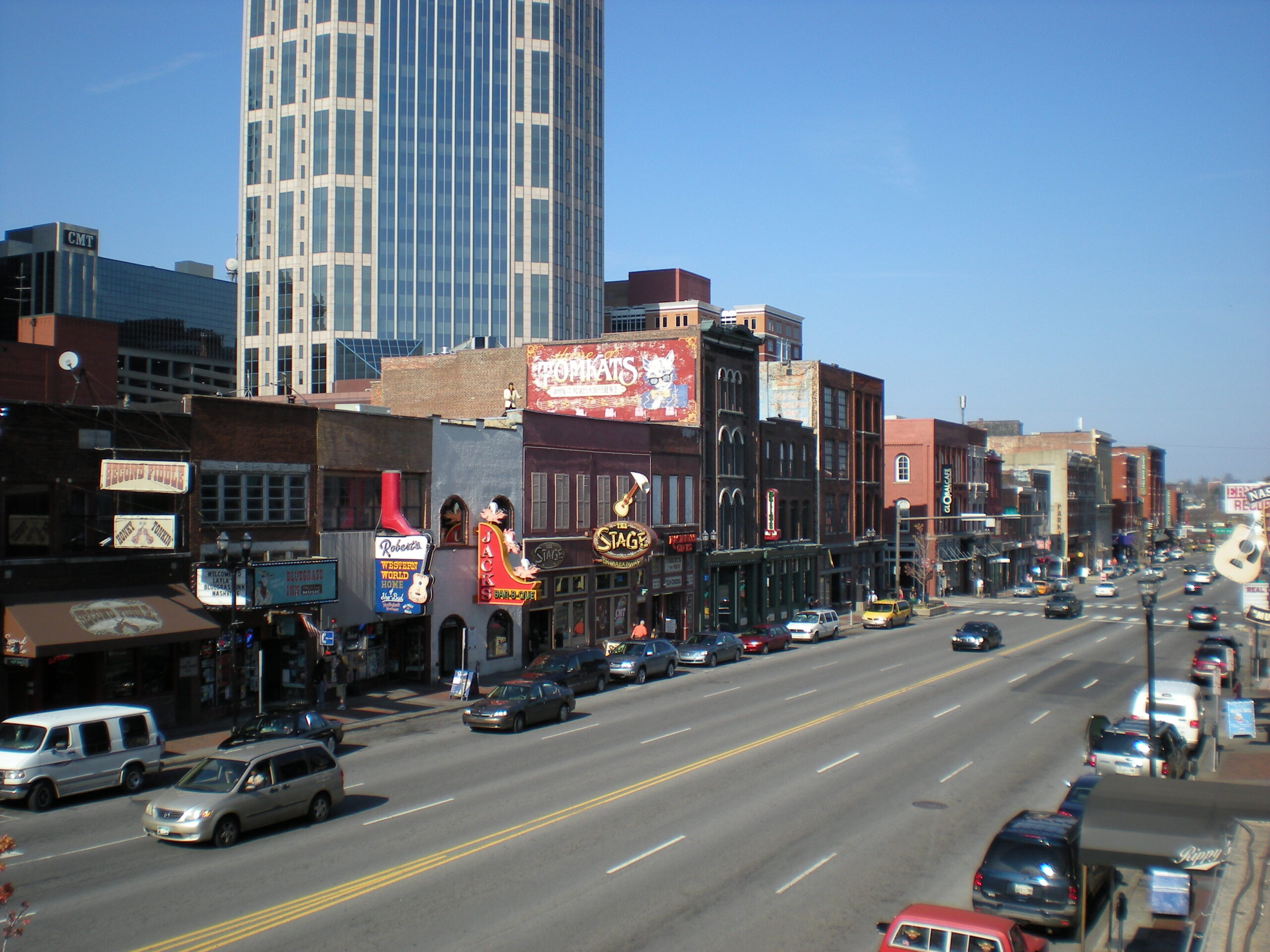
Lower Broadway is the neon-lit heart of downtown. Honky-tonks such as Tootsie’s Orchid Lounge and Robert’s Western World host live bands from late morning until the early hours. Music usually starts earlier than visitors expect, so a mid-afternoon visit is a good way to hear quality performers without the evening crowds. Tipping the band is customary.
Grand Ole Opry
The Grand Ole Opry began as a radio barn dance broadcast on WSM in 1925 and is often described as the show that made Nashville famous. Each show features a mix of legends, current stars and new artists. Most shows take place at the Grand Ole Opry House in the Music Valley area, a short drive from downtown, and some winter shows return to the Ryman. Backstage tours are also available. Book show tickets in advance, especially for weekends.
Ryman Auditorium
Opened in 1892 as the Union Gospel Tabernacle, the Ryman is known as the “Mother Church of Country Music” and was the Opry’s home for three decades. You can take a self-guided or backstage tour by day and return for a concert at night; the acoustics are famous and the venue hosts artists across many genres.
Country Music Hall of Fame and Museum
This large downtown museum traces the history of country music through costumes, instruments, recordings and rotating exhibitions. Plan two to three hours. Tour packages often include Historic RCA Studio B on Music Row, where many famous recordings were made, and Hatch Show Print, a historic letterpress poster shop.
Johnny Cash Museum
Opened in 2013 just off Broadway, the Johnny Cash Museum holds one of the most complete collections of Cash artifacts and memorabilia, including costumes, handwritten letters and film footage. It is compact, so an hour to ninety minutes is usually enough.
Belle Meade Historic Site and Winery
About seven miles southwest of downtown, Belle Meade was a large plantation and thoroughbred horse farm. The Greek Revival mansion dates from 1853. Tours now cover the lives of the enslaved people who lived and worked there as well as the Harding family, and the estate has an on-site winery with tastings.
The Parthenon in Centennial Park
Nashville’s full-scale replica of the Athenian Parthenon was first built for the 1897 Tennessee Centennial Exposition. Inside is an art museum and a towering gilded statue of Athena. The surrounding park is a pleasant place for a walk.
More worthwhile stops
- Frist Art Museum: changing exhibitions in a striking Art Deco former post office.
- Tennessee State Capitol and Bicentennial Capitol Mall State Park: free to explore, with good views and state history displays.
- Cheekwood Estate and Gardens: botanical gardens and art museum, especially lovely in spring.
- The Bluebird Cafe: a small, intimate listening room famous for songwriter rounds. Seats are limited and reservations are released in advance, so plan ahead.
- Nashville Zoo and Adventure Science Center: good choices for families with children.
- John Seigenthaler Pedestrian Bridge: a walk across the Cumberland River with classic skyline views.
A sample three-day Nashville itinerary
| Day | Morning | Afternoon | Evening |
|---|---|---|---|
| Day 1 | Country Music Hall of Fame and Museum | Johnny Cash Museum, walk Lower Broadway | Concert at the Ryman, honky-tonks after |
| Day 2 | Ryman daytime tour, Tennessee State Capitol | Farmers’ market lunch, Bicentennial Mall, Germantown | Grand Ole Opry show |
| Day 3 | Belle Meade Historic Site | Parthenon and Centennial Park, 12 South shopping | East Nashville dinner or a songwriter round |
With a fourth day, add Cheekwood, a Music Row tour or a day trip to Franklin, a historic small town about 20 miles south with Civil War sites and a walkable main street.
Where to stay: neighborhoods compared
| Neighborhood | Feel | Best for |
|---|---|---|
| Downtown / SoBro | Busy, central, walkable | First-time visitors, nightlife |
| The Gulch | Modern, stylish, restaurants and murals | Couples, foodies |
| Midtown / Music Row | Bars, studios, near Vanderbilt | Music fans, younger groups |
| East Nashville | Relaxed, independent, local | Repeat visitors, food and live music off the tourist track |
| Music Valley | Quieter, near the Opry | Opry-focused trips, families |
Downtown hotels are the most convenient but also the priciest, particularly on weekends and during major events. Staying a little further out and using rideshare can save money.
Getting to and around Nashville
Nashville International Airport (BNA) lies roughly 8 miles east of downtown and is served by most major US airlines, including low-cost carriers such as Allegiant, Southwest and others, so it is worth comparing routes and fares from your nearest airports. The drive downtown usually takes 15 to 30 minutes depending on traffic, and WeGo Public Transit runs an airport bus.
- On foot: downtown, SoBro and The Gulch are walkable.
- Rideshare: the easiest way to reach the Opry, Belle Meade and outer neighborhoods.
- WeGo buses: useful for budget travelers; check routes and schedules before you go.
- Rental car: handy for day trips, but downtown hotel parking can be expensive.
What to eat in Nashville
Nashville hot chicken is the must-try dish: fried chicken coated in a cayenne-based paste and served on white bread with pickles. Order a milder heat level first, as the hottest options are genuinely fierce. Also look out for meat-and-three restaurants (a meat plus three Southern sides), barbecue, biscuits at brunch and the growing number of chef-led restaurants in East Nashville and The Gulch.
Best time to visit Nashville
- Spring (April to early June): mild weather and blooming gardens, with some rain.
- Summer (June to August): hot and humid, and CMA Fest in June fills hotels quickly.
- Fall (September to November): comfortable temperatures and plenty of events; a favorite with many visitors.
- Winter (December to February): quieter and often cheaper, with holiday light displays and some Opry shows at the Ryman.
Money-saving tips
- Visit midweek, when hotel rates are generally lower than on weekends.
- Enjoy free live music in the honky-tonks rather than paying for every show.
- Look for combination tickets covering the Hall of Fame, RCA Studio B and other sites.
- Spend time at free attractions like the Capitol, Bicentennial Mall and pedestrian bridge.
Practical tips before you go
- Book popular tickets early: Opry shows, Ryman concerts and Bluebird Cafe seats can sell out weeks ahead, particularly on weekends.
- Check the event calendar: major concerts, football games at the downtown stadium and conventions can push up hotel rates and fill restaurants.
- Pack comfortable shoes: you will walk a lot downtown, and many honky-tonks are standing room only.
- Carry small bills: bands on Broadway rely on tips, and a tip jar is passed around during most sets.
- Plan for weather: summer afternoons can bring heat and sudden thunderstorms, so have a light rain layer and stay hydrated.
- Note bar age rules: some venues become 21 and over in the evening, so families should check before heading out.
If you are planning more trips this year, see our guides to the best places to visit in Italy and visiting Cappadocia in Turkey.
Frequently asked questions
How many days do you need in Nashville?
Three days covers the main music attractions, a show and a couple of neighborhoods. Four or five days lets you add day trips and a slower pace.
What is the best time of year to visit Nashville?
Spring and fall offer the most comfortable weather. Summer is hot and busy, especially during CMA Fest in June, while winter is quieter and often cheaper.
Do you need a car in Nashville?
Not if you stay downtown. You can walk to most central sights and use rideshare for the Opry, Belle Meade and outer neighborhoods. A car helps for day trips.
Is Nashville good for families?
Yes. The Nashville Zoo, Adventure Science Center, Parthenon, Country Music Hall of Fame and daytime Opry or Ryman tours all suit families. Lower Broadway is busier and more adult-oriented at night.
Where is the Grand Ole Opry located?
Most shows are at the Grand Ole Opry House in Music Valley, a short drive from downtown. Some shows, particularly in winter, are held at the Ryman Auditorium downtown.