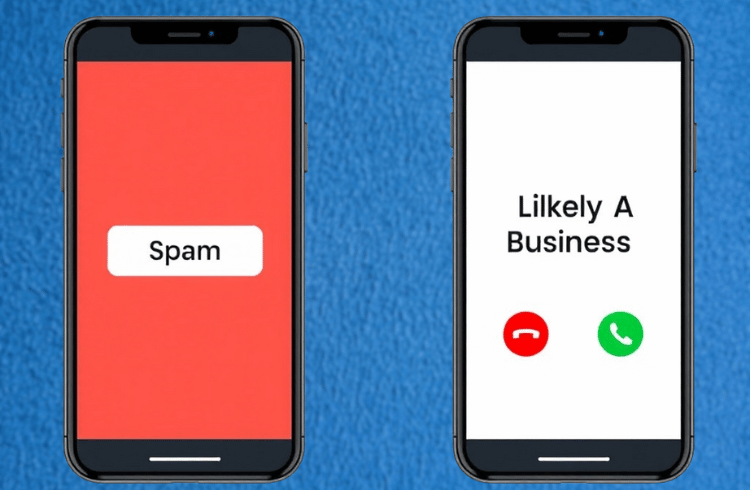
If you’ve ever seen a call marked “Likely A Business” on Truecaller, you may have wondered what it really means. Truecaller, a popular caller ID and spam-blocking app, helps millions of users identify unknown numbers and make informed decisions about answering calls.
The “Likely A Business” label indicates that the number is probably associated with a company or commercial activity, but it isn’t always 100% accurate. This guide explores the meaning of this label, how Truecaller identifies unknown numbers, how its caller labeling system works, and tips for safely handling such calls.
Key Information on “Likely A Business” Calls
| Topic | Details | Key Points / Tips |
| Label Meaning | “Likely A Business” indicates the number is probably linked to commercial activity. | High-volume calls, multiple users report it as business, connections to websites or business directories. |
| Identification Method | Truecaller uses technology combined with community-driven data. | Crowdsourced tags, public databases, regional business listings, user profiles, calling frequency, timing, and historical interactions. |
| Caller Labels | Includes “Spam,” “Scam Likely,” “Marketing,” “Likely A Business.” | Classification based on call behavior, user reports, verified business IDs, and algorithmic scoring. Labels are dynamic and update over time. |
| Accuracy | Not 100% reliable; probabilistic identification. | Personal numbers may be misidentified, new business numbers may lack labels, spoofed/masked numbers can appear legitimate. Labels should guide, not guarantee. |
| Verification | Ways to confirm the caller’s authenticity. | Search number on Truecaller, check for verified business badges, review official websites, and check social media presence. |
| Tips for Responding | Strategies when receiving a “Likely A Business” call. | Let it ring, verify the number, block suspicious/repeated calls, confirm identity before sharing personal info, keep call records, update Truecaller app regularly. |
| Risks | Potential risks associated with unknown business calls. | Phishing, spam, scams, data harvesting, fraudulent offers. Exercise caution before engaging. |
| Best Practices | How to manage unknown or suspicious calls. | Use call-blocking features, maintain an updated caller database, educate family members, combine app data with personal verification. |
| Benefits of Truecaller Labels | Advantages of using caller ID and labeling. | Reduces spam interruptions, enhances call safety, provides context before answering, improves communication efficiency. |
| Conclusion | Summary of “Likely A Business” utility. | Truecaller helps manage unknown calls, improves safety, and aids informed decision-making, but labels should be used as guidance, not absolute truth. |
What Does “Likely A Business” Mean?
The label “Likely A Business” signals that the number appears to be associated with a company or commercial activity. Truecaller determines this through patterns such as:
- High-volume outgoing calls typical of customer service operations
- Multiple users identifying the number as a business
- Connections to official websites, email domains, or public listings
- Behavioral indicators that differentiate business activity from personal use
While helpful, it does not always mean the number is verified. It is a probability-based label generated from user data and algorithmic insights.
How Truecaller Identifies Unknown Numbers
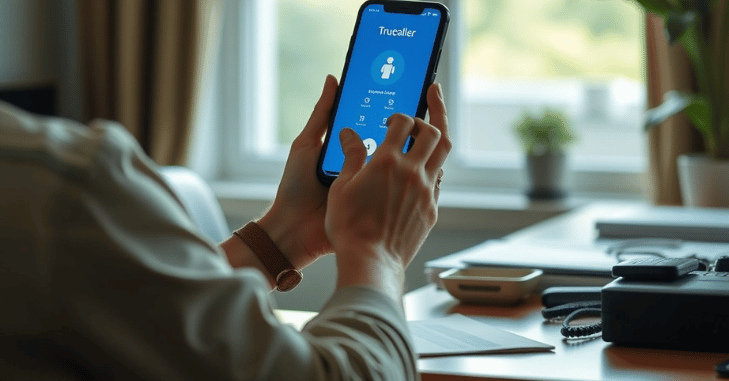
Truecaller identifies unknown numbers using a mix of advanced technology and community-driven data. The system analyzes crowdsourced tags from millions of users, cross-checks information from public databases and regional business directories, and reviews details from user-created Truecaller profiles.
It also evaluates behavioral patterns such as calling frequency, timing, and usage trends, along with historical interactions for example, how many people have marked the number as safe or unsafe. By combining machine learning with real-time community input, Truecaller can quickly generate accurate, intelligent predictions about who is calling and whether the number is trustworthy.
How Caller Labels Work
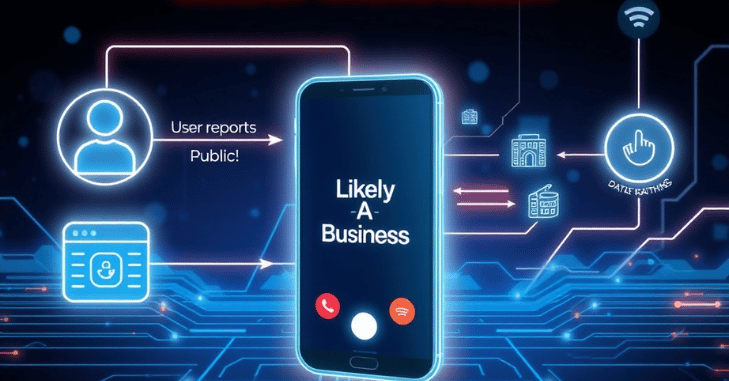
Truecaller’s caller labels such as “Spam,” “Scam Likely,” “Marketing,” or “Likely A Business” help users understand the nature of a call instantly. These labels come from:
- Automatic classification based on call behavior
- User reports, which Truecaller uses to verify patterns
- Official business registration through Truecaller’s Business Caller ID program
- Algorithmic scoring that weighs trust, call frequency, and user feedback
Labels update over time. If many users mark a business number as safe or helpful, it may gain trust. If many report it as spam, the label changes accordingly.
Is “Likely A Business” Always Accurate?
The “Likely A Business” label on Truecaller is helpful, but it isn’t always perfectly accurate. Although Truecaller is one of the most trusted caller ID systems, its classifications depend heavily on patterns, public data, and user reports meaning there is room for error.
In some cases, a personal number may be mistakenly labeled as a business if the calling activity appears business-like, such as frequent outgoing calls. Conversely, newly created business numbers might not receive any label until Truecaller gathers enough user feedback and activity data.
Additionally, spoofed or masked numbers used by scammers can sometimes slip through temporarily and appear as legitimate callers. For these reasons, the label should be seen as an informed indicator rather than a guaranteed identification.
Tips for Responding to “Likely A Business” Calls
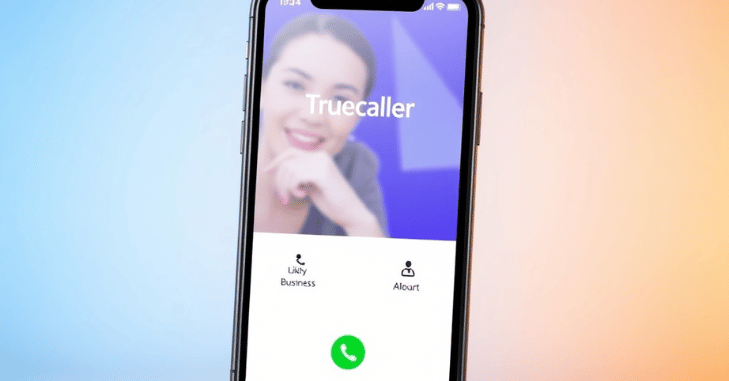
- Let it ring if you’re unsure; legitimate businesses often leave voicemails.
- Search the number on Truecaller before calling back to verify authenticity.
- Block the number if it appears suspicious, spammy, or repeatedly disruptive.
- Check for verified business badges, which indicate official registration.
- Use caution when sharing personal information until the caller is confirmed.
- Keep a record of unfamiliar numbers to monitor recurring calls.
- Update Truecaller regularly to ensure you have the latest caller data and reports.
Conclusion
In conclusion, Truecaller’s “Likely A Business” label serves as a valuable tool for managing unknown calls by providing users with context about potential commercial activity. While it leverages advanced technology, crowdsourced data, and behavioral analysis to identify callers, it is not infallible and should be considered a helpful indicator rather than a guarantee.
By combining this information with best practices such as verifying numbers, checking for verified badges, and exercising caution before sharing personal details users can make informed decisions about which calls to answer. Ultimately, the feature enhances call safety, reduces spam, and empowers users to navigate their daily communications with greater confidence and efficiency.
Apart from that, if you want to know more about Unlocking Efficiency and Growth with Manufacturing CPA Services then visit our Business category.
FAQs
It may reveal if the caller is a member of a scam network or a recognized fraudster. Even in the absence of sufficient community input, it can determine whether the figure is “likely a business” or “likely important.”
Fundamentally, Ziglar’s statement highlights that a company is more than a collection of goods, services, or earnings.
The corporation, S corporation, partnership, and sole proprietorship are the most prevalent company structures. A limited liability company (LLC) is a corporate structure recognized by state statute.
We’ll alert you if a number has been flagged as spam by your connections, and we’ll identify a number as “Likely important” if a large number of your connections have received calls from it.