

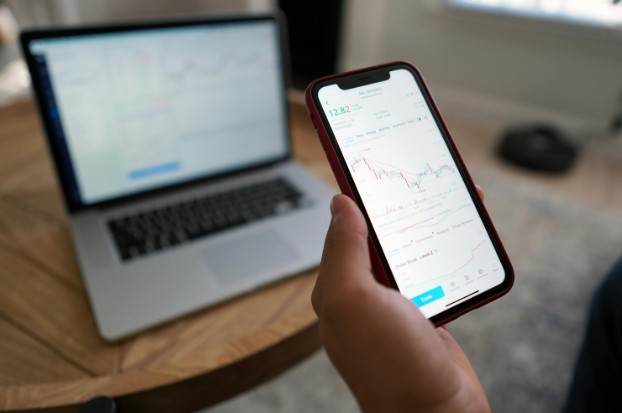
South Africa’s online trading scene is changing fast. Traders expect far more than they used to, from quick withdrawals to strong security, and more people are giving the currency markets a try. Here is a plain rundown of how forex works, what the main risks are, and why interest keeps growing.
A few years ago, trading here meant desktop platforms or brokers who only answered the phone during office hours. Now South Africans want something seamless on their phones that is fast, secure and convenient. Whether you trade currency pairs, gold, oil or global indices, or you’re dipping a toe into crypto, the bar has risen.
Placing a trade is only one part of it. Modern traders want convenience, trust and confidence that their money is handled properly. And when the market moves, they want tools that let them react straight away.
Forex Market Basics
Forex is the buying of one currency while selling another, so every trade is quoted as a pair, such as EUR/USD or USD/ZAR. If you think the rand will weaken against the dollar, you might buy USD/ZAR; if you expect it to strengthen, you might sell. The market runs 24 hours a day, five days a week, moving through the Asian, European and US sessions. That suits South Africans who want to trade before or after work.
Most retail traders don’t buy currency outright. They trade contracts for difference (CFDs) through a broker, using leverage, which lets a small deposit control a much larger position. Prices are driven by interest rate decisions from the South African Reserve Bank and the US Federal Reserve, inflation data, commodity prices and global risk sentiment. The rand reacts strongly to all of these, which is part of what draws traders to it.
Why Interest Keeps Growing
Several things are pushing more South Africans towards forex. Smartphones and cheaper data have put trading apps within reach of people who would never have visited a broker’s office. Low minimum deposits mean you can start with a small amount. Social media and online courses have made the subject more familiar, especially among younger adults.
The wider financial backdrop has improved too. In October 2025, the Financial Action Task Force removed South Africa from its grey list after 32 months of increased monitoring. That was widely welcomed as a boost to confidence in the country’s financial system, though it does not change the rules for individual traders.
Multi-Market Access
It’s now rare to find a South African trading app that offers only one asset class. People want flexibility: currencies, gold, oil, global indices, crypto and more. Being able to diversify inside one app is a big deal.
Access to global markets means traders can respond to international events as they happen. If oil prices jump because of tension in the Middle East, someone in Johannesburg can act right away. Engaging in forex trading in South Africa through an app that has everything in one place helps people make decisions faster and avoids the hassle of jumping between platforms.
Intuitive User Experience
The app itself is the first thing you notice. Nobody wants something slow or confusing. Traders want a clean, quick layout that’s easy to move around. If the dashboard is cluttered or the menus are awkward, people lose interest fast. Charts, price movements and news should be a swipe or tap away.
Personalisation matters too. Good apps let users set up watchlists, alerts and shortcuts that match their own style. Say someone focuses on oil. They want quick access to oil charts, price alerts and relevant news without digging through dozens of unrelated assets.
Some apps also offer light and dark modes, gesture controls and custom chart indicators. These may seem like small touches, but regular traders notice them, and they make daily use smoother.
Fast and Reliable Transactions
Speed really counts in trading. If withdrawals are slow or deposits get stuck, even patient traders get frustrated. South African traders now expect fast withdrawals, easy deposits and no hidden delays.
Swap-free accounts are also catching on. For traders who follow Islamic finance principles, or who simply want to avoid overnight interest charges, a swap-free option is essential. It shows the platform understands its local audience.
Payment flexibility matters as well. People want several ways to fund an account, including cards, e-wallets and local bank transfers in rand. When an app handles these quickly and without fuss, traders stay.
Read More: Altcoins Explained: What Drives Their Value Beyond Bitcoin?
The Risks You Need to Understand
Forex can be exciting, but it carries real risk, and it’s important to be honest about it before putting money in.
- Leverage cuts both ways. It magnifies gains, but it magnifies losses just as much. A small move against you can wipe out a large part of your deposit.
- Most retail CFD traders lose money. Many brokers publish the share of retail accounts that lose money, and it is typically the majority. Treat that figure as a reality check.
- The rand is volatile. It can swing sharply on local politics, load-shedding news, commodity prices or a change in global risk mood, sometimes outside your normal trading hours.
- Scams are common. Fake “account managers”, guaranteed-profit signal groups and unlicensed platforms target new traders, often through social media and messaging apps.
Sensible habits help: use a stop-loss, risk only a small percentage of your account on any single trade, practise on a demo account first, and never trade money you can’t afford to lose.
Security and Compliance
Trust is everything. People want platforms that take security seriously, with strong encryption, two-factor authentication and full regulatory compliance. Knowing a platform is properly licensed and supervised gives peace of mind, especially when you are moving larger sums or trading volatile assets.
Traders expect transparency too: clear fees, accurate real-time balances and alerts for important account changes. When a platform gets this wrong, people lose more than money. They lose trust.
Regulatory compliance stands out in South Africa. If a platform is registered with the Financial Sector Conduct Authority (FSCA), people feel safer knowing the company must follow local conduct rules. Before opening an account, look up the broker’s FSP number on the FSCA’s public register and check that the licence covers the products you plan to trade.
Customer Support That Actually Helps
Good support can make or break an app. Nobody wants to wait hours when something urgent comes up. South African traders expect round-the-clock help through live chat, email or phone, because delays cost money when quick decisions are needed.
Support staff should know their subject, not just read from a script. The best trading apps offer real human help for tricky problems. When the team is helpful and effective, trading feels far less stressful.
Some platforms even assign dedicated account managers to high-volume traders. That kind of support helps when there’s a complicated trade or an urgent withdrawal to sort out.
Educational Tools and Market Insights
Modern traders want to learn. They look for tutorials, webinars, market analysis and economic calendars built into the app. Platforms that teach users about trends, charts and risk management earn loyal, better-informed customers.
These tools are especially valuable for newcomers, who get guidance without being buried in jargon. Experienced traders benefit from regular insights too. Elsewhere on the site: Growing a Website Across Borders Without Losing Sight of Quality.
Social and Community Features
Community features are growing in South African trading apps. People like forums, discussion boards and the chance to learn from others. You can see how other traders react, compare strategies or even copy trades, which makes trading feel less isolated.
That social side adds a human element. Some platforms run contests or demo trading challenges to keep users engaged. Copy trading still carries the same risks as trading yourself, so it’s worth checking a trader’s long-term record, not just last month’s results.
High Demands on Modern Trading Apps
South African traders want a lot from modern trading apps: intuitive design, access to multiple markets, fast and secure transactions, solid support, educational features and community options.
An app that delivers all of this becomes more than a tool. With markets getting busier and more competitive, platforms that keep up with what users want will stand out. Traders aren’t settling for basic features anymore. They expect speed, safety and support in one place. They also need to go in understanding the risks.
If you’d like to learn more, read Why Choose CoinW for Spot Trading: Platform Advantages or browse our Finance category.