Unplanned downtime in power generation doesn’t just disrupt operations—it hemorrhages revenue at an alarming rate, often costing firms thousands of dollars per hour. At the heart of many critical power systems sits the Caterpillar C15 engine, a workhorse that has earned its reputation across industries for delivering consistent, dependable performance when it matters most. Yet even this robust powerhouse faces a persistent threat: improper maintenance practices that gradually erode reliability until catastrophic failure strikes without warning. The financial impact extends beyond immediate repair costs to lost contracts, damaged reputation, and emergency service premiums. This article delivers essential maintenance insights specifically designed to protect your CAT C15 investment, focusing on the engine’s critical features and the service support infrastructure that keeps it running. By understanding and implementing proactive maintenance strategies, power generation firms can transform their C15 engines from potential liability into assets that deliver decades of uninterrupted service, maximizing return on investment while ensuring the reliability your customers demand.
Understanding the CAT C15 Engine: A Powerhouse for Reliability
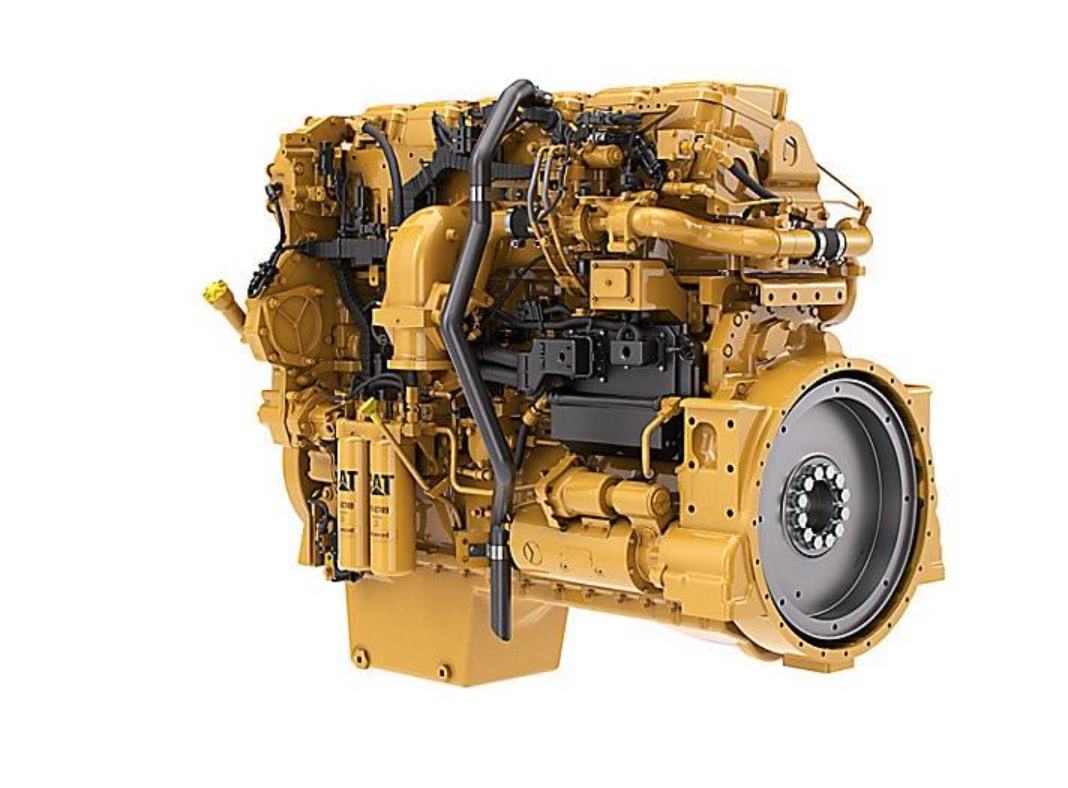
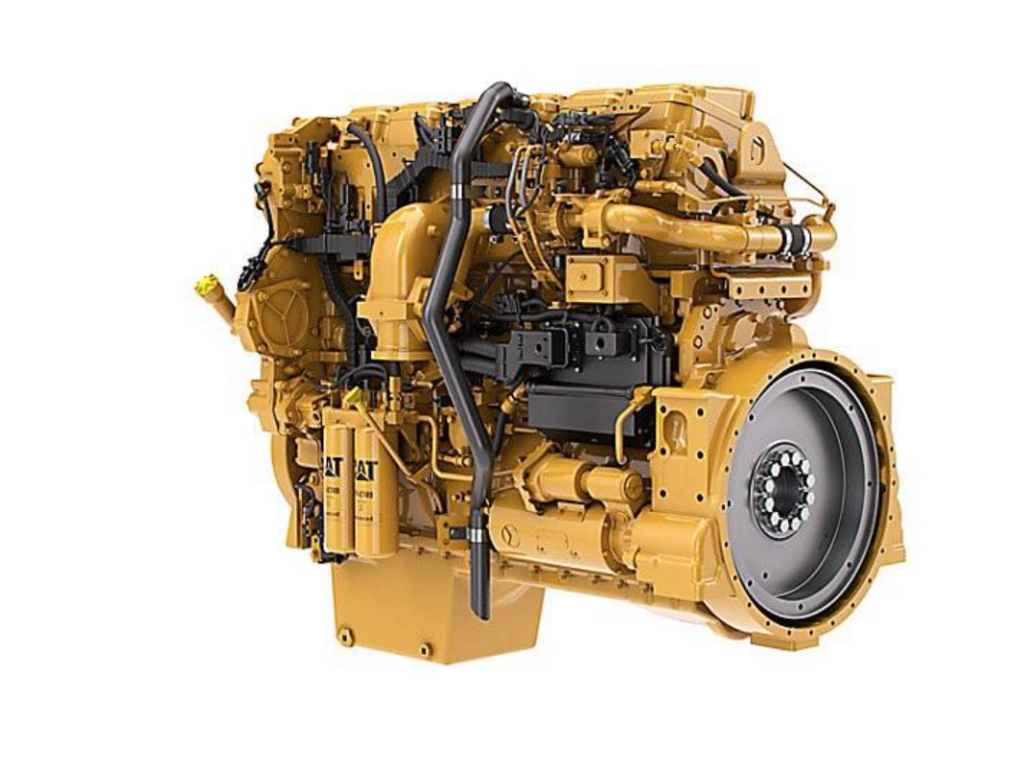
The Caterpillar C15 engine stands as a testament to engineering excellence in the power generation sector, offering a displacement of 15.2 liters that delivers exceptional torque and horsepower ranging from 435 to 550 HP depending on configuration. This inline six-cylinder design incorporates a cast-iron block and cylinder head, creating a foundation built to withstand the rigors of continuous operation in both prime and standby power applications. The engine’s architecture features advanced fuel injection technology that optimizes combustion efficiency, translating directly into lower fuel consumption—a critical factor when operating costs can make or break profitability in competitive power generation markets. What distinguishes the C15 from competitors is its proven track record across demanding environments, from remote mining operations to mission-critical data centers where failure simply isn’t an option. The engine’s modular design facilitates easier servicing and component replacement, reducing mean time to repair when maintenance is required. Its robust construction handles the thermal and mechanical stresses inherent in generator set applications, where engines frequently operate at sustained high loads for extended periods. For power generation firms evaluating long-term reliability, the C15’s documented ability to achieve extended service intervals between major overhauls—often exceeding 15,000 hours with proper maintenance—represents a compelling value proposition that directly impacts total cost of ownership and operational uptime.
The Critical Role of the Advanced Cooling System
The CAT C15’s advanced cooling system represents the engine’s first line of defense against the thermal punishment inherent in continuous power generation duty. This sophisticated network comprises a high-capacity radiator, precision-engineered water pump, thermostat assembly, and strategically routed coolant passages that maintain optimal operating temperatures between 180°F and 200°F even under sustained full-load conditions. The system’s design philosophy centers on maintaining consistent cylinder wall temperatures, which directly influences combustion efficiency, emissions control, and component longevity. When this thermal management system functions properly, it prevents the microscopic metal expansion and contraction cycles that gradually weaken engine components, while simultaneously ensuring that fuel burns completely and efficiently within each cylinder. However, neglecting cooling system maintenance initiates a destructive cascade that silently compromises engine integrity. Coolant degradation reduces heat transfer efficiency, forcing the engine to operate at elevated temperatures that accelerate wear on pistons, rings, and cylinder liners. Scale buildup inside coolant passages restricts flow, creating hot spots that can warp cylinder heads or crack engine blocks—catastrophic failures that transform a preventable maintenance issue into a complete engine replacement scenario costing tens of thousands of dollars. Deteriorating hoses and belts introduce the risk of sudden coolant loss, which can destroy an engine in minutes if not immediately detected. For power generation operations where the C15 must deliver reliable output during peak demand or emergency situations, cooling system failure doesn’t just mean downtime—it means failing to deliver contracted power when your customers need it most, with reputation damage that extends far beyond the immediate financial loss.
Proactive Maintenance for the Advanced Cooling System
Implementing a rigorous cooling system maintenance protocol begins with establishing a coolant analysis program that tests samples every 500 operating hours, checking for contamination, additive depletion, and pH levels that indicate corrosion risk. Schedule complete coolant replacement according to Caterpillar’s Extended Life Coolant specifications, typically every 12,000 hours or six years, whichever arrives first, using only CAT-approved coolant formulations that meet the engine’s specific corrosion inhibitor requirements. Conduct quarterly radiator core inspections, removing accumulated debris and checking for fin damage that restricts airflow; pressure-wash cores from the clean side to avoid embedding contaminants deeper into the matrix. Inspect all coolant hoses monthly for surface cracks, soft spots, or swelling that signals imminent failure, replacing any suspect hoses before they rupture during operation. Check belt tension weekly using a calibrated tension gauge, maintaining manufacturer-specified values to prevent slippage that reduces water pump efficiency while avoiding over-tension that damages bearings. Examine the water pump for weep hole seepage during every service interval, as even minor leakage indicates seal degradation requiring immediate replacement. Install genuine CAT coolant filters and replace them per the maintenance schedule, as these specialized filters capture corrosion particles and maintain additive concentrations that protect aluminum and steel components throughout the cooling circuit.
Comprehensive Maintenance Schedule for Peak Performance
Establishing a structured maintenance framework transforms reactive repairs into predictable, manageable service events that preserve engine reliability while controlling costs. Daily checks form the foundation: inspect engine oil level before startup, examine for fluid leaks around seals and gaskets, verify coolant level in the expansion tank, and listen for unusual noises during operation that signal developing problems. Weekly tasks expand this vigilance to include air filter restriction indicator monitoring, fuel water separator draining, battery terminal cleaning and voltage verification, and visual inspection of all belt conditions and tensions. Monthly maintenance intensifies scrutiny with comprehensive air intake system inspection, checking ducting for cracks or loose connections that allow unfiltered air to bypass filtration and accelerate cylinder wear. The fuel system demands monthly attention through filter replacements and fuel quality checks, as contaminated fuel introduces abrasive particles and water that damage precision injection components costing thousands to replace. Every 250 hours, conduct oil and filter changes using only CAT-specified lubricants meeting the C15’s viscosity and additive requirements, while simultaneously collecting oil samples for laboratory analysis that detects bearing wear, coolant intrusion, or fuel dilution before these conditions cause catastrophic damage. Annual maintenance encompasses valve lash adjustment to maintain optimal combustion efficiency, complete fuel system inspection including injector testing, turbocharger examination for shaft play or compressor wheel damage, and verification of all engine mounts and vibration dampeners. Maintain meticulous service records documenting every maintenance action, parts replaced, and operating hours, as this historical data enables trend analysis that predicts component failure windows and proves invaluable during warranty claims or when selling equipment. This disciplined approach converts maintenance from an operational burden into a strategic advantage that maximizes uptime and extends engine life well beyond industry averages.
Leveraging Global Service Support for Uninterrupted Operations
Caterpillar’s expansive global service network transforms maintenance from an isolated operational challenge into a strategic partnership backed by worldwide resources and expertise. This infrastructure spans over 2,300 dealer locations across 190 countries, ensuring that power generation firms operating C15 engines can access critical support regardless of geographic location—from urban industrial centers to remote off-grid installations. The network delivers three essential advantages that directly impact uptime: immediate access to genuine CAT parts engineered specifically for C15 applications, eliminating the risks associated with aftermarket components that may compromise performance or void warranties; certified technicians trained on C15-specific systems who diagnose issues accurately the first time, avoiding the costly trial-and-error approach that extends downtime; and advanced remote diagnostics through CAT Connect technology that monitors engine parameters in real-time, detecting anomalies before they escalate into failures. To engage this support infrastructure effectively, start by identifying your regional CAT dealer through the official Caterpillar website’s dealer locator tool, then schedule an on-site assessment where technicians evaluate your current maintenance practices and equipment condition. Establish a Customer Support Agreement tailored to your operation’s criticality, selecting from options ranging from scheduled maintenance contracts to comprehensive coverage including emergency response guarantees with defined arrival times. Configure remote monitoring services that transmit engine data directly to dealer service departments, enabling predictive maintenance alerts and performance optimization recommendations. For operations requiring specialized diesel engine expertise beyond standard dealer networks, companies like GRT provide additional technical support and parts sourcing options that complement manufacturer service channels. Maintain direct communication channels with your assigned service representative, providing them with your operational schedule so they can pre-position parts and technicians for planned maintenance windows, minimizing service duration and ensuring your C15 remains mission-ready when power demand peaks.
Protecting Your Investment Through Proactive Maintenance
The CAT C15 engine’s engineering excellence delivers the robust performance power generation firms demand, but this reliability hinges entirely on one critical factor: disciplined, proactive maintenance. The advanced cooling system stands as the engine’s thermal guardian, demanding regular attention through coolant analysis, component inspection, and timely replacements that prevent the cascade of failures leading to catastrophic downtime. A comprehensive maintenance schedule spanning daily inspections through annual overhauls transforms unpredictable breakdowns into manageable service events, while meticulous record-keeping enables predictive interventions that catch problems before they halt operations. Caterpillar’s global service network amplifies these efforts, providing the genuine parts, certified expertise, and remote monitoring capabilities that turn maintenance from burden into competitive advantage. The mathematics are undeniable: investing hours in preventive care saves days of emergency repairs and thousands in lost revenue. Proactive maintenance doesn’t just protect your C15 investment—it guarantees the uninterrupted power delivery your customers expect and your profitability requires. Review your current maintenance protocols today against the framework outlined here, identify gaps in your cooling system care and service intervals, and engage your CAT dealer to establish the support infrastructure that transforms your C15 from potential liability into decades of dependable service.